There are plenty of reasons to spend time outside, especially as we get older. Being outdoors can encourage us to stay active, give us a chance to slow down, and create opportunities to spend time with others.
Nature can be part of everyday life in simple ways. It might mean taking a walk through the neighborhood, working in the garden, reading on the porch, or enjoying lunch outside when the weather is nice. These may seem like small parts of the day, but they can contribute to a lifestyle that keeps you active and engaged.
So, what role can nature play in healthy aging? And how can you make it a more regular part of your life?
What Does Nature Have to Do With Healthy Aging?
Healthy aging is about continuing to do the things you enjoy and finding ways to support your well-being along the way. Spending time outdoors can play a role in both.
Think about the difference between walking on a treadmill and taking that same walk outside on a beautiful day. You are still moving, but being outdoors gives you a chance to enjoy your surroundings and perhaps even stop to talk with someone along the way.
Research has explored these connections, including how time around nature may relate to stress and mood. It can also encourage habits that support healthy aging, whether that means getting outside for a walk or spending time outdoors with people you enjoy.
Nature does not have to be a destination, either. A backyard, neighborhood walking path, or favorite place to sit outside can give you opportunities to enjoy it as part of your everyday life.
Nature May Help Reduce Stress and Support Emotional Well-Being
Stress does not always come from one big event. It can build through everyday responsibilities, changes in routine, busy schedules, or simply having a lot on your mind. Getting outside and spending time in nature can offer a break from some of that mental noise.
Part of the reason may be that nature asks something different of our attention. Indoors, we are often focused on what needs to be done next. Outside, our attention can shift to what is happening around us. You might notice birds at a feeder or see what is blooming. Instead of actively trying to “switch off,” your surroundings give your mind something else to focus on.
This is something researchers have looked at as well. A review of studies on nature and stress found that spending time in natural environments may help reduce perceived stress, with some studies also finding changes in physical measures of stress.
You do not need to spend hours outside to appreciate that change in focus. Even a little time outdoors can help you slow down, be more present, and enjoy what is happening around you.
Spending Time Outdoors Can Encourage Movement
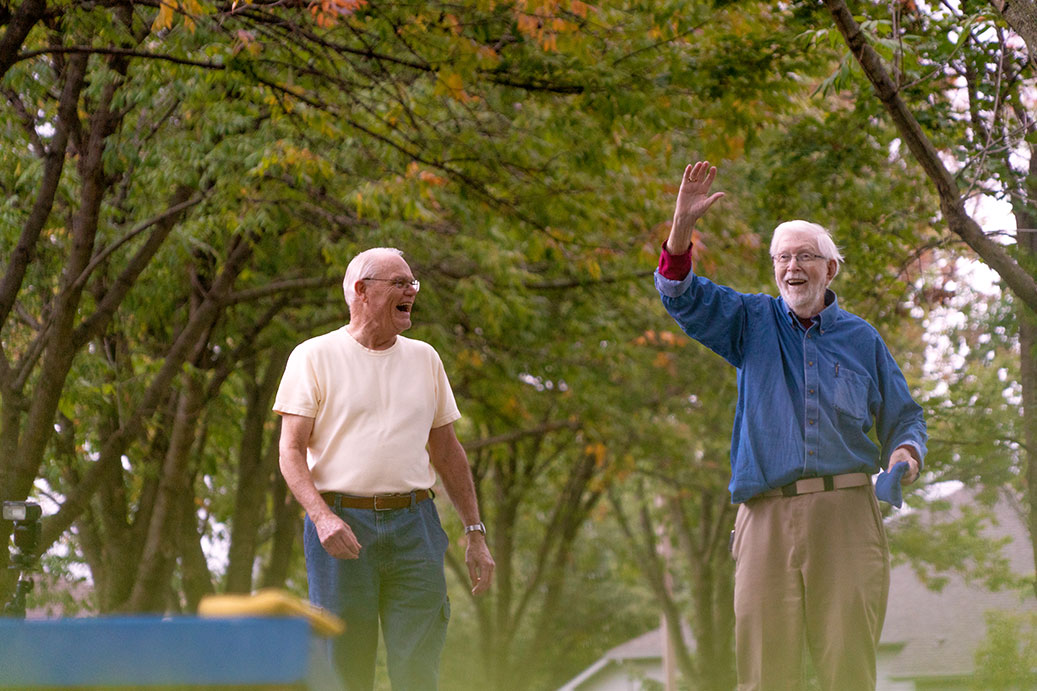
One of the benefits of spending time outdoors is that movement often comes with it. Walking through a park, gardening, and exploring a favorite outdoor area all involve physical activity without necessarily feeling like a structured workout.
This matters as we age because staying active helps maintain the strength and mobility needed for everyday life. The Centers for Disease Control and Prevention notes that regular physical activity can help older adults maintain physical function and reduce the risk of falls.
Natural surroundings can also make being active more appealing. A walk can feel different when there are trees, changing seasons, and activity to notice along the way. Having pleasant outdoor areas can give you another reason to keep moving regularly.
Over time, regular opportunities for movement can support an active, engaged lifestyle and help you continue doing the things you enjoy.
Outdoor Spaces Can Support Connection and Engagement
Staying socially connected is an important part of healthy aging, but maintaining those connections can become harder over time. Retirement may mean you no longer see coworkers every day, and longtime friends may not live as close as they once did.
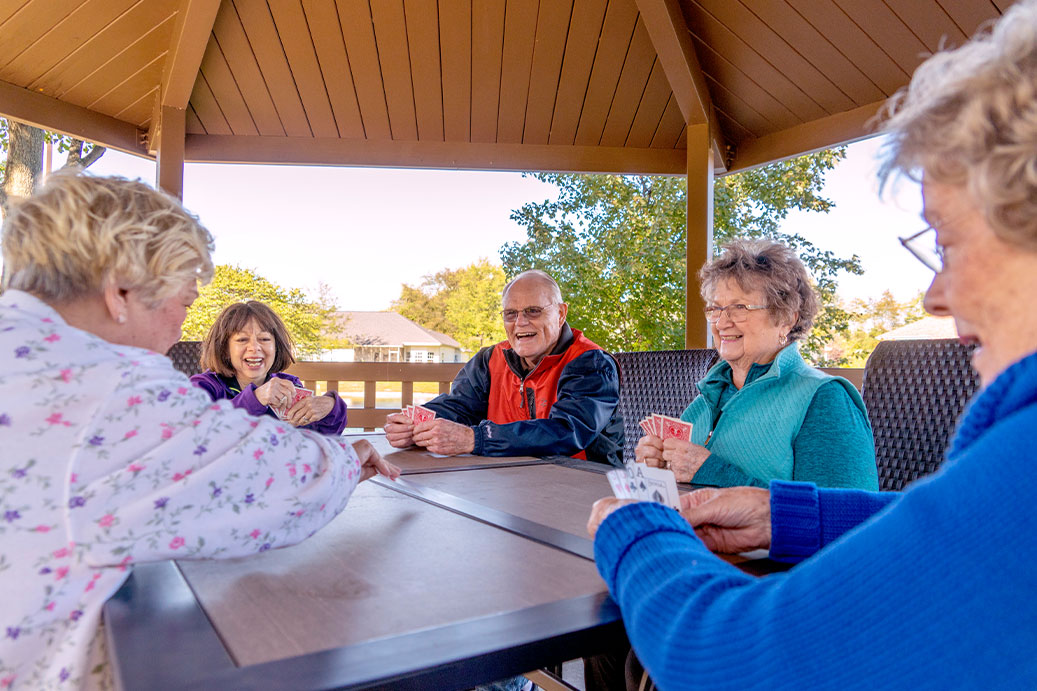
This is where the environment around you can make a difference. When people spend time outside in shared spaces, they are more likely to cross paths with others. Over time, seeing the same people creates familiarity. You begin to recognize your neighbors, conversations become easier, and there are more opportunities for relationships to develop.
Outdoor settings also give people something to experience together. A beautiful afternoon or the first signs of spring can become a reason to stop and talk. The surroundings themselves give people something in common at that moment.
These small interactions may not seem significant on their own, but they help keep you involved with the people around you. That ongoing sense of connection is one reason the spaces outside our homes can play an important role in how engaged we remain as we age.
Nature Can Support Cognitive and Mental Well-Being
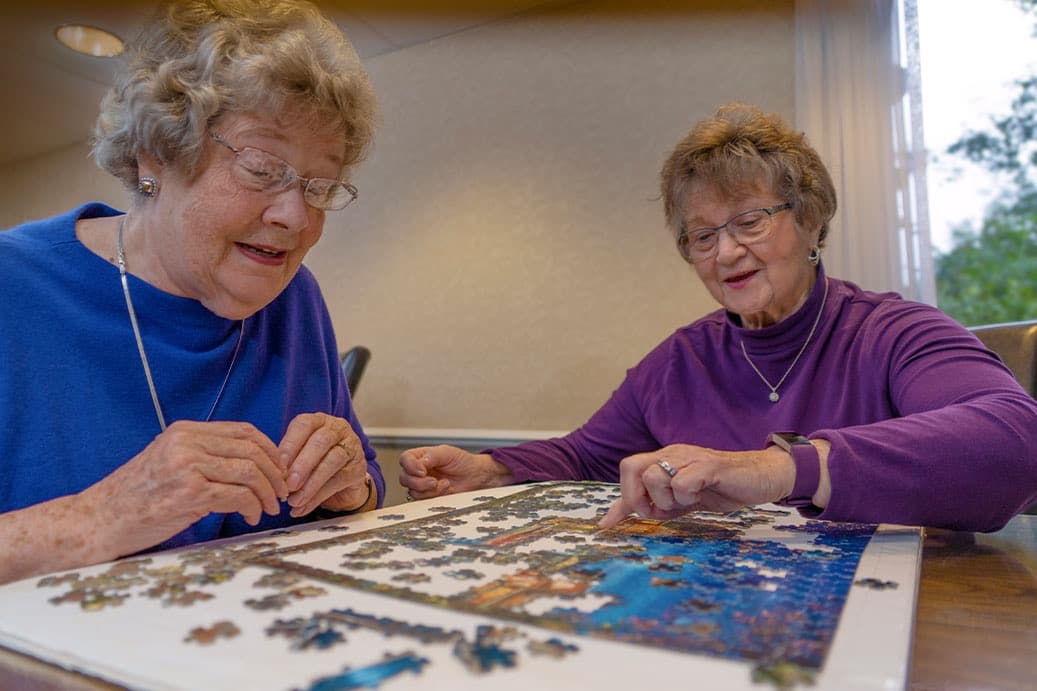
Keeping your mind engaged is another part of healthy aging. While we often think of this in terms of reading, puzzles, or learning something new, our surroundings can also give our brains something to engage with, too.
Nature is always changing. The view outside your window in April will not look the same in October. You begin to notice when certain flowers appear, when the leaves start to turn, or when birds return for the season. Paying attention to those changes keeps you observing and curious about what is happening around you.
Time outdoors can also give your mind a break from the concentration required by screens and everyday tasks. You are still taking in information, but in a different way. Instead of focusing on completing something, you can let your attention move through your surroundings at its own pace.
Nature should not be viewed as a way to prevent cognitive decline, but spending time outdoors can help you stay interested in the world around you. That curiosity and engagement can add another dimension to the way you support your well-being as you age.
Bringing the Benefits of Nature Into Everyday Life
You do not have to make major changes to spend more time in nature. Look for small ways to make the outdoors a regular part of your day.
- Take something you already enjoy outside. Read a book, have your morning coffee, or call a friend from the porch instead of staying indoors.
- Choose an outdoor route when you can. If you are heading somewhere nearby, consider whether you can walk part of the way or take a route that gives you more time outside.
- Make outdoor spaces comfortable. A comfortable chair, some shade, or a spot with a view can make you more likely to spend time outdoors regularly.
- Pay attention to what is around you. Notice what is blooming, listen for birds, or watch how your surroundings change throughout the year.
- Find outdoor spaces you enjoy returning to. A nearby park, walking path, or favorite spot can make it easier to work time in nature into your week.
The best approach is one that works with the way you already live. When spending time outside is easy and enjoyable, it is much easier to keep doing it.
A Natural Setting at Westminster Village Terre Haute
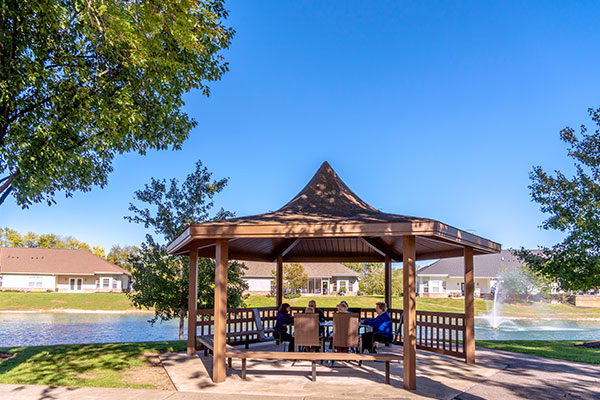
The surroundings of your home can affect how often nature is part of your day. At Westminster Village, those surroundings include a 35-acre campus with mature trees and open lawns. A pond with a fountain is part of the landscape, and the Rea Park Golf Course is directly across the street.
For residents, nature doesn’t have to be a destination. The changing seasons, mature landscaping, and open green space are part of the setting just beyond their villa or apartment home, making it easier to enjoy the outdoors as part of everyday life.
Look Beyond the Floor Plan When Choosing Senior Living
When considering senior living, your surroundings are only one part of the picture. It is also worth looking at how a community supports the way you want to spend your days. Opportunities to stay active and spend time with others can help you maintain a lifestyle that keeps you engaged.
At Westminster Village, Independent Living gives residents plenty of ways to continue doing what they enjoy. The Westminster Athletic Club supports fitness and wellness, while the woodshop provides a dedicated space for residents to work on projects and use their creativity. Residents can also meet up with friends over a meal or take part in activities happening throughout the community.
There are conveniences that make everyday life easier, too. Scheduled transportation can help with trips to the grocery store, while on-campus services mean residents do not always have to leave the community for everyday needs. With less to manage at home, residents have more freedom to decide how they want to spend their time.
That could mean getting outside on a nice afternoon or taking advantage of the many social opportunities available in Independent Living. Together with Westminster Village’s 35-acre setting, these options give residents different ways to stay active and connected while continuing to live independently.
The setting of a community is something you can only fully appreciate in person. Schedule a visit to explore Westminster Village’s campus, residences, and amenities for yourself.
Westminster Village Terre Haute is a Life Plan Community in Terre Haute, Indiana, offering Independent Living, Assisted Living, and Skilled Nursing on one campus. With maintenance-free residences, dining, wellness opportunities, social activities, and convenient services, Westminster Village helps older adults enjoy the independence they want today while having a plan in place for whatever the future may bring.